Hiring a Videographer or Photographer for Your RAI Amsterdam Event
If you are planning to hire a videographer or photographer for your event at RAI Amsterdam Convention Centre, understanding the filming rules is not just a formality. It directly affects how smoothly your shoot runs on the day.
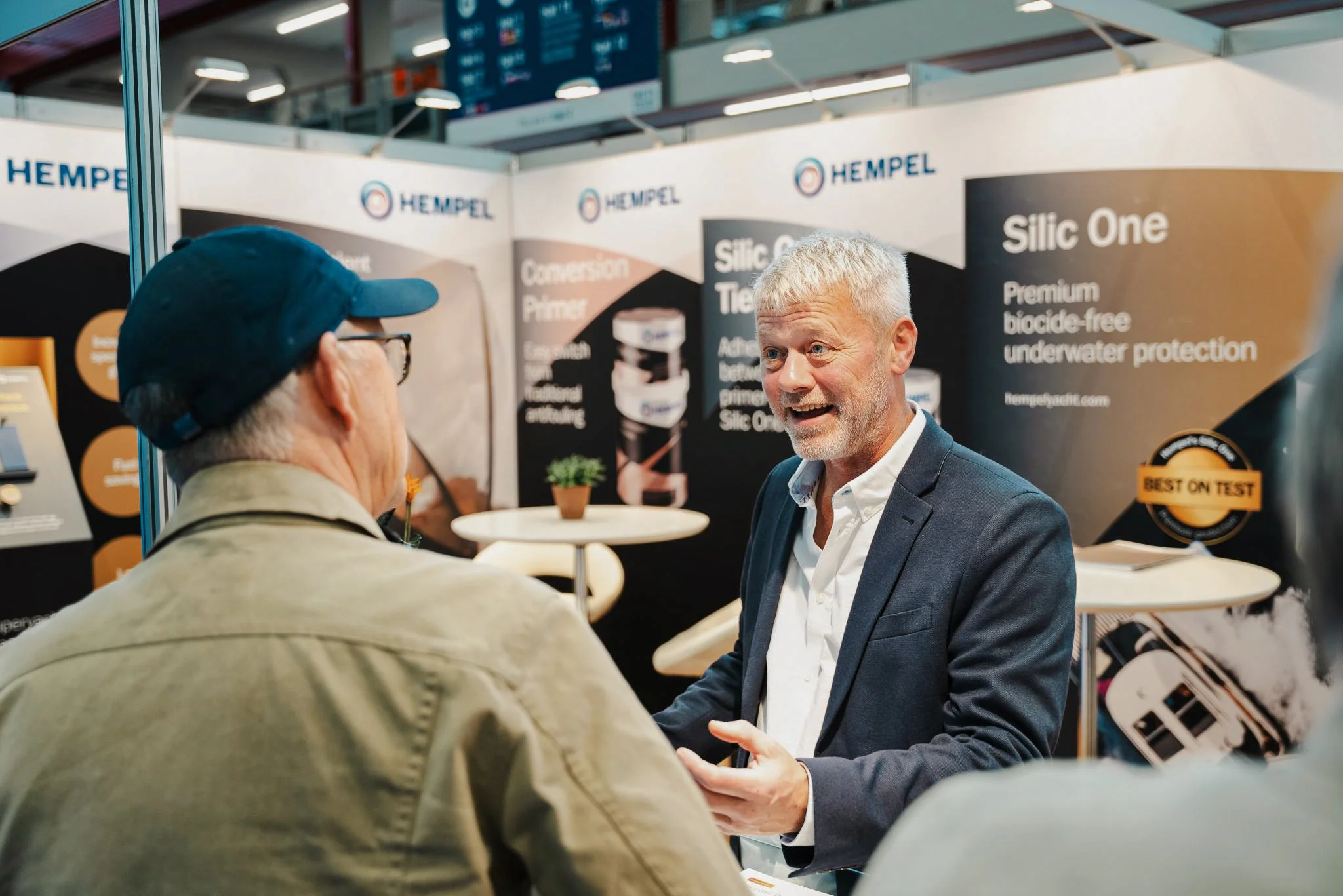
At a basic level, exhibitors are allowed to film within their own stand. This is where most branded content is captured, including interviews, product demos, and general atmosphere.
Where things become more important is everything around that.
Filming outside your stand, even briefly, can require permission. That includes capturing other exhibitors, wide shots of the exhibition floor, or any identifiable branding that is not your own. If your content relies on these types of shots, this needs to be planned in advance.
For professional productions, organisers may require a filming permit. This is especially relevant if your setup includes multiple cameras, lighting, or a small crew. Without approval, filming can be limited or stopped.
There are also restrictions that are often overlooked but can affect your content:
Conference and keynote areas are typically off-limits for filming
Photography is often allowed, but not for unrestricted commercial use without consent
Anyone clearly visible in your content should have given permission, particularly for marketing use
Crew members must be properly registered and have the correct event access
For you as a client, this comes down to one thing. The crew you hire should already understand these boundaries and plan your shoot around them.
What This Means When Hiring a Videographer
These rules are not just technicalities. They directly impact the kind of content you will receive.
For example, if a videographer is not familiar with RAI regulations, you may end up with:
Limited or unusable footage because certain areas could not be filmed
Missed moments due to access restrictions
Delays caused by on-site approvals or interventions
On the other hand, an experienced RAI crew will plan around this from the start.
They will know:
What can realistically be captured within your stand
When additional permission is needed
How to frame shots so your content still feels dynamic without breaking rules
This is often the difference between content that feels generic and content that feels intentional and high-end.
What You Should Clarify Before Hiring
Before booking a videographer or photographer for your RAI event, there are a few things worth confirming upfront.
First, ask whether they have experience working at RAI Amsterdam or similar large-scale exhibitions. This reduces risk immediately.
Second, check how they handle permissions. A professional team should be able to guide you on whether a filming permit is needed and help coordinate it if required.
Third, be clear about what you want to capture. If your expectations include wide venue shots, crowd scenes, or anything beyond your stand, this needs to be discussed early so it can be planned properly.
Finally, consider how the content will be used. Content for LinkedIn, advertising, or internal reporting all have different requirements, especially when it comes to consent and usage rights.

Why This Matters for Your Event
Hiring a videographer is not just about having someone with a camera. At a venue like RAI Amsterdam, it is about making sure everything works within the environment you are in.
When filming is handled correctly:
Your crew can work without interruption
Key moments are captured without risk
Your final content is fully usable for marketing
When it is not, even a well-shot video can become difficult or impossible to use.
Frequently Asked Questions
-
In many cases, filming within your own stand does not require a separate permit. However, if your production involves a crew, multiple cameras, or extends beyond your stand, approval from the event organiser may be required.
It is always best to confirm this in advance rather than on the day.
-
Not by default. Filming is typically limited to your own stand unless additional permission is granted. Capturing other exhibitors, branding, or general exhibition footage may require approval or a formal filming permit.
-
Photography is usually allowed on the exhibition floor, but it must remain non-intrusive. For commercial use, especially where people are clearly visible, consent is required.
-
In most cases, no. Conference and keynote areas often have strict filming restrictions unless you have explicit permission from the organiser.
-
Filming can be stopped on-site, and in some cases footage may not be usable. This can disrupt your event coverage and reduce the value of the content you invested in.
-
The simplest way is to work with a production team that understands how filming at RAI works.
They will:
Plan your shoot within the allowed boundaries
Handle permissions where needed
Ensure your content is captured without issues